Pressure Washing Blog

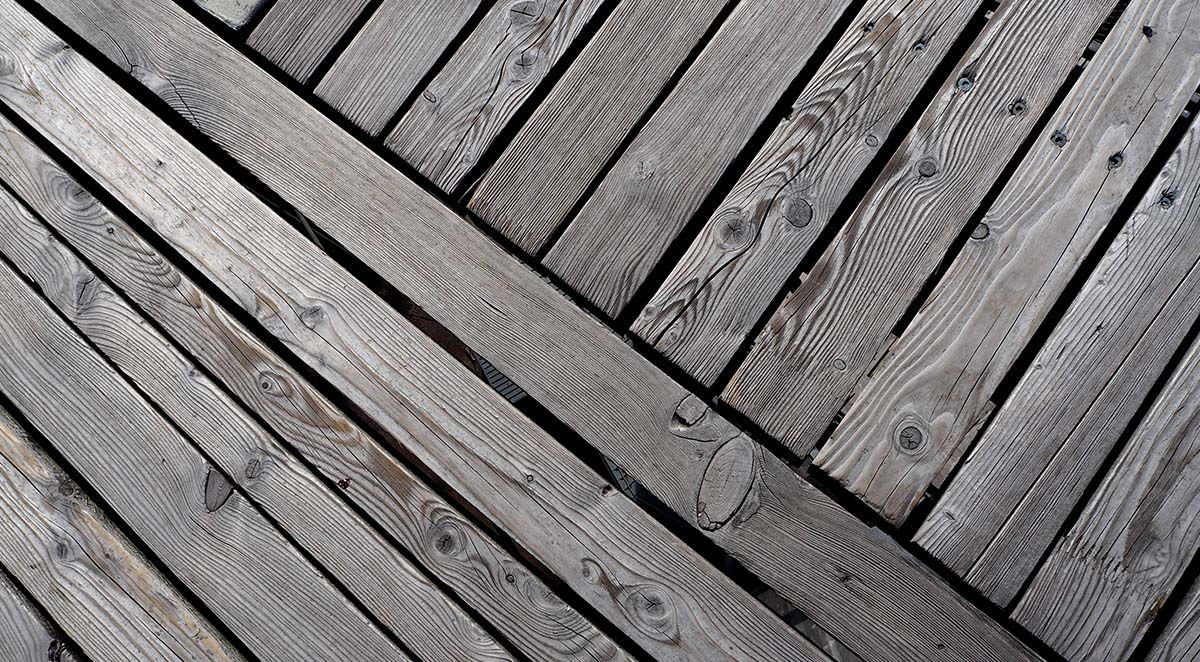
If you live in the Asheville area, you already know that fall is when outdoor living reaches its peak. A cold front sweeps down from the ridgelines, Mount Mitchell catches its first dusting of snow, and the valleys begin to light up with color. Nights cool down just enough for a bonfire, days stay warm enough for hiking and kayaking, and fall becomes the driest season of the year. Your back deck turns into the most-used room in the house.
That deep connection to outdoor spaces is part of what makes Western North Carolina such a special place to live. But the same climate that produces stunning fall foliage and mild summer evenings also puts serious demands on your deck. Snow and ice from November through April, spring thunderstorms, hail, and the remnants of Gulf and Atlantic hurricanes all work against unprotected wood. Asheville receives roughly 40 inches of rainfall every year, and moisture is the single greatest accelerator of deck aging and decay.
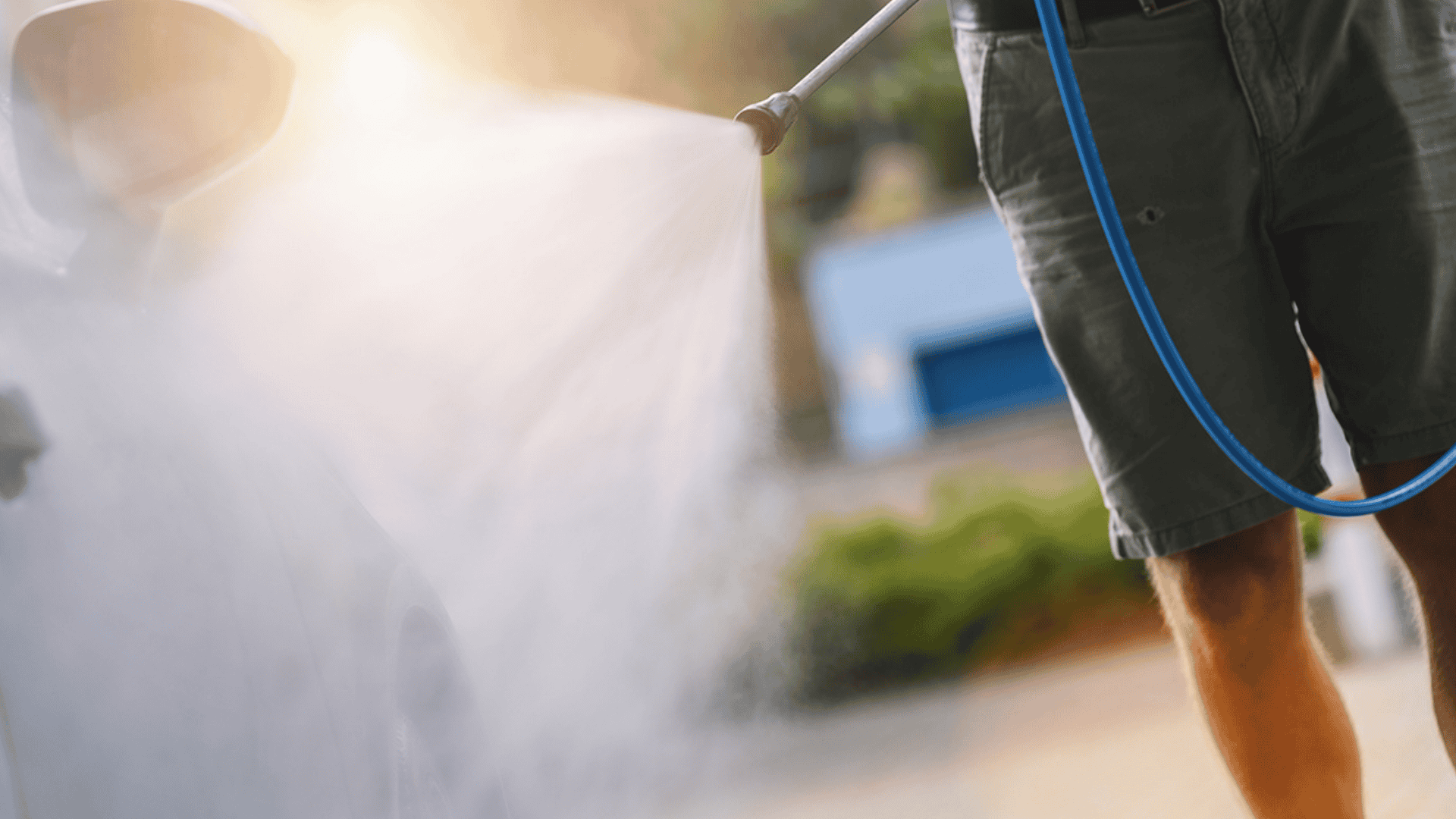
If you have ever stepped onto your porch and found yourself face-to-face with a massive spider web, or noticed a wasp nest tucked into the eaves above your front door, you know how quickly bugs can make themselves at home on your property. For homeowners in Western North Carolina, where warm, humid summers create perfect conditions for insects to thrive, this is a very real and very common problem.
One question we hear often at HydroClean is whether pressure washing can actually help with bugs. The short answer is yes, it can, but it helps to understand exactly what pressure washing does, which pests it addresses, and what it cannot do on its own. This article breaks it all down so you can make the most informed decision for your home.
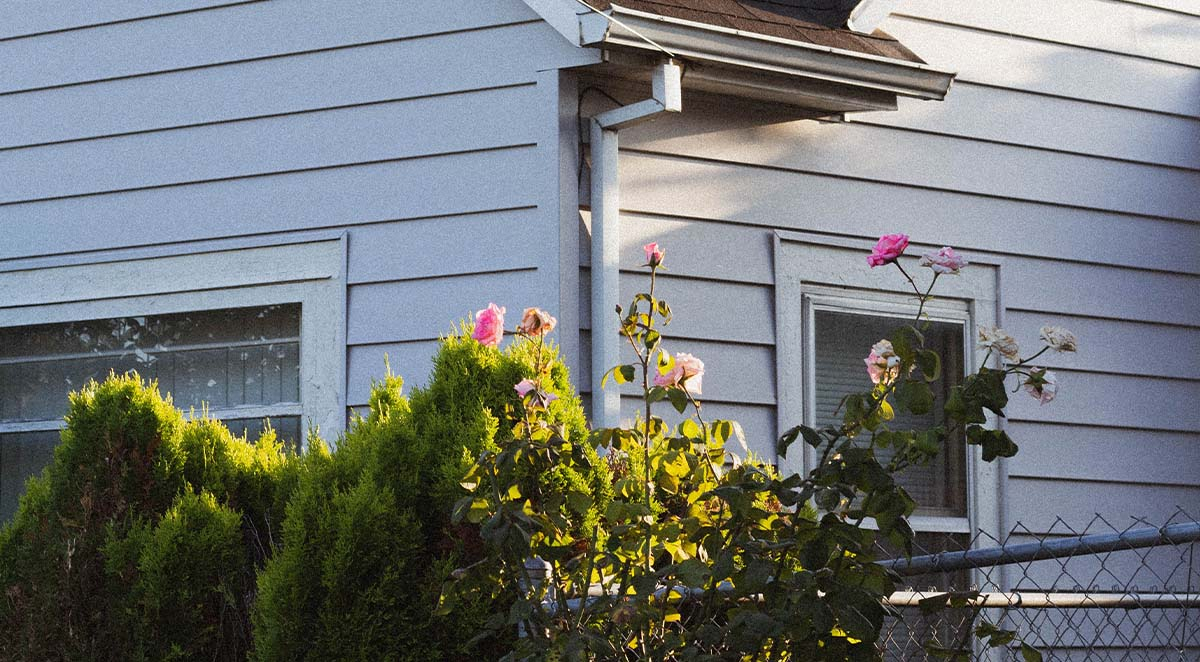
If you're a homeowner who takes pride in both a spotless exterior and a thriving garden, you've probably wrestled with this question. It's a legitimate concern—after all, you've invested considerable time, money, and care into creating beautiful landscaping around your home. The last thing you want is to watch your prized azaleas wilt or your hostas turn brown because of an exterior cleaning project.
Here's the straightforward answer: when done correctly by experienced professionals, pressure washing should not harm your plants. However, improper technique, harsh chemicals, or lack of preparation can absolutely cause damage ranging from minor leaf burn to significant plant stress or even death. The good news? Understanding the risks and choosing the right pressure washing company means you can enjoy a pristine home exterior without sacrificing your landscaping investment.
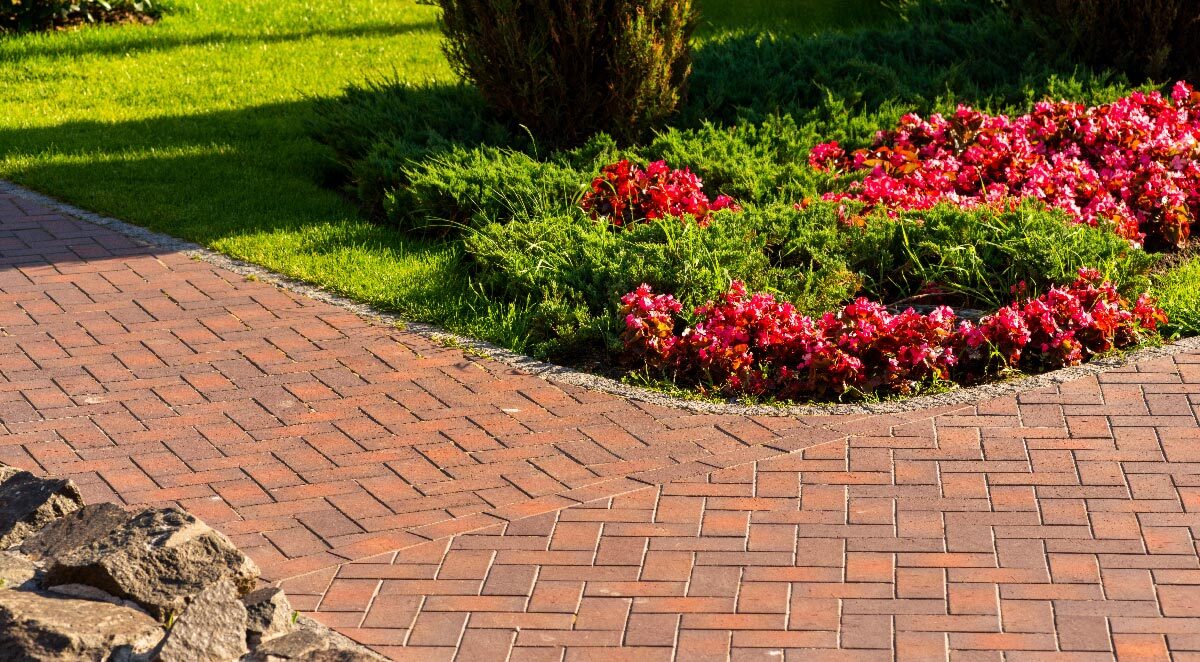
Pressure washing your home's exterior, driveway, or deck can dramatically improve your property's appearance, but without proper precautions, it could leave your landscaping damaged or destroyed. We've seen countless instances where homeowners unintentionally harm their cherished plants while attempting to clean their property, and we are here to help with this blog full of useful tips.
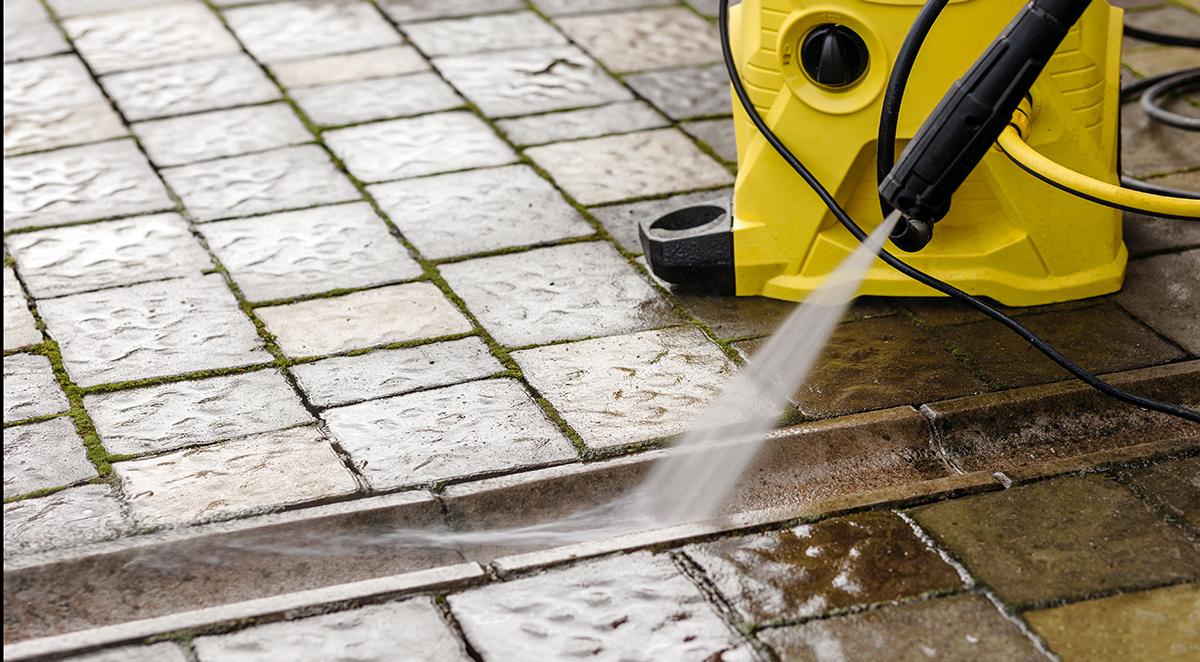
In recent years, soft washing has gained popularity as an effective method for cleaning exterior surfaces. However, along with this rise in popularity has come a wave of misconceptions and myths that can leave homeowners confused about this cleaning technique. At Johnson's Xtreme Softwash, we believe in educating our customers with accurate information so they can make informed decisions about their property maintenance. Let's debunk some of the most common myths about soft washing and set the record straight.
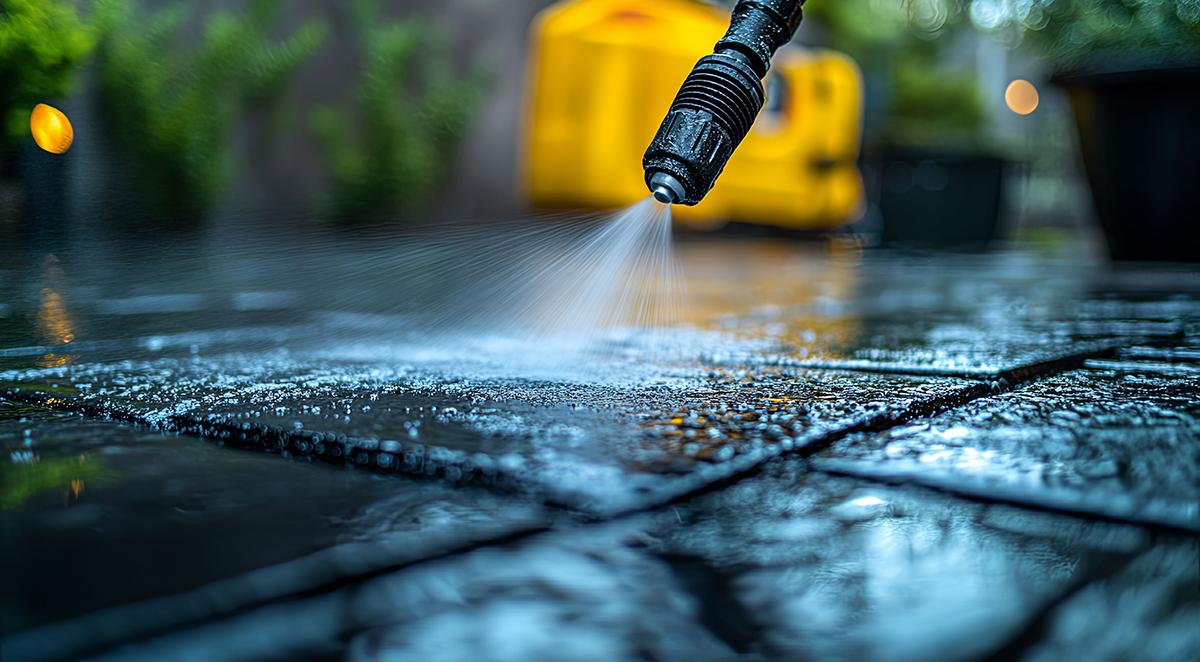
Soft washing is one of the most effective cleaning methods, using low pressure and specialized cleaning solutions to remove dirt, algae, mold, and mildew from surfaces without causing damage.
At Hydro Clean, we've been providing professional soft washing services throughout Western North Carolina for over 21 years. Throughout this time, we've encountered numerous misconceptions about soft washing that prevent property owners from choosing this gentle yet highly effective cleaning method. In this blog, we'll address and debunk the most common myths about soft washing to help you make an informed decision about your property's maintenance.
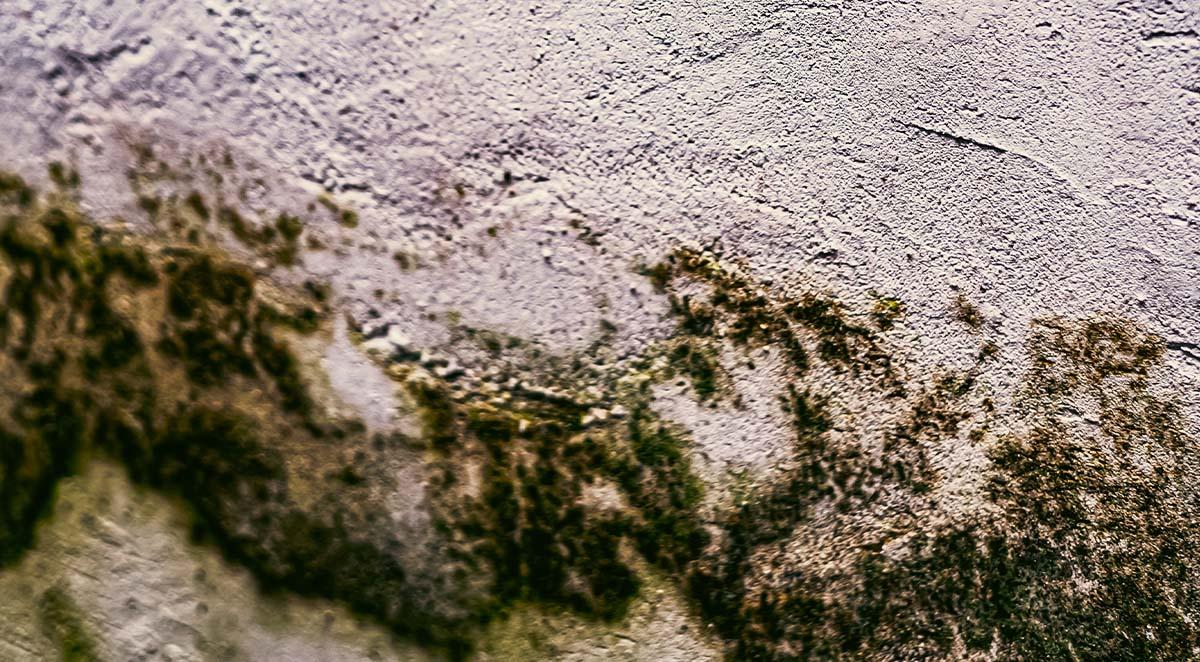
At Hydro Clean, we've spent over 21 years helping property owners throughout Western North Carolina combat mold and mildew with exterior cleaning techniques. One of the most effective approaches in our arsenal is hot water pressure cleaning, a specialized method that delivers superior results compared to standard cold water cleaning. This blog explores how hot water pressure cleaning works to prevent mold and mildew and why it might be the solution you've been looking for.
Maintaining a beautiful, healthy lawn requires time, expertise, and consistent effort. For many homeowners, hiring a professional lawn care service is a practical solution that delivers professional results without the personal investment of time and equipment. However, not all lawn care services are created equal, and choosing the wrong provider can lead to disappointing results, damage to your property, and wasted money.